What Happens During a Humane Bee Removal Service
December 2, 2025
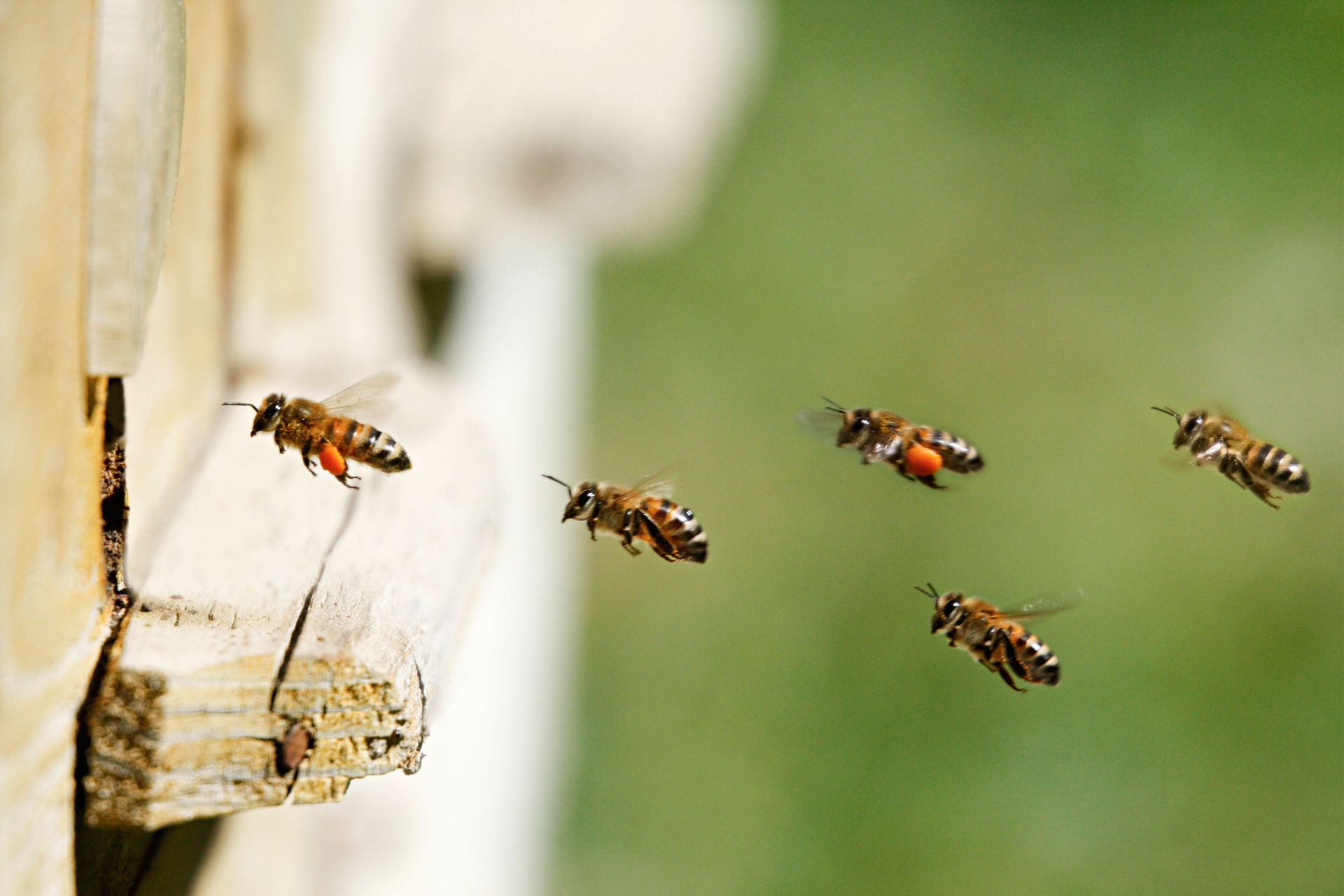
Bees play a vital role in our ecosystem, pollinating plants and supporting food production. However, having a hive near your home or property can create safety concerns, especially if someone in your household is allergic or if the hive is in a high-traffic area. Knowing what goes into a professional bee removal service can help homeowners make informed decisions and ensure both their safety and the well-being of the bees.
Bee relocation services focus on moving bees without harming them, preserving their essential role in nature while resolving the risk they may pose to your home. Unlike extermination, these services emphasize careful planning, protective equipment, and specialized techniques to move the bees safely to a new location where they can continue to thrive.
Spotting the Hive: How Professionals Identify Bees
The first step in any bee relocation service is a thorough inspection. Professionals arrive with protective gear and equipment designed to assess the situation without disturbing the bees unnecessarily. They identify the species of bee, as some require specific handling techniques. For instance, honeybees are generally relocated, whereas aggressive or invasive species may need a different approach.
During inspection, the technician evaluates the hive’s location, size, and accessibility. Hives can be found in walls, attics, trees, or even underground. Understanding the hive’s structure helps professionals plan a safe extraction while minimizing damage to the property. This step also allows them to assess potential risks to residents and pets.
Identifying the exact type of bees is crucial for humane bee removal. Certain species are endangered or protected, and removing them without care can have environmental consequences. Accurate identification ensures that the removal process is both effective and safe for the bees, the property, and the people involved. This careful attention to detail at the inspection stage sets the foundation for a successful and stress-free removal process.
Securing the Colony: Smart Containment Strategies
Once the hive is identified, the next step is containment. Technicians use specialized tools, including bee vacuums and enclosed containers, to safely capture the bees. This process prevents the bees from dispersing and ensures they can be relocated unharmed. Containment is performed methodically to reduce stress on the colony, which helps maintain their health during transport.
During this phase, homeowners are advised to keep windows closed and limit activity around the hive. Professional bee removal teams take precautions to prevent stings and ensure no bees are accidentally released indoors. Clear communication with the homeowners about safety measures helps prevent accidents and keeps everyone informed. This careful approach also minimizes any disruption to daily life.
Containment sets the stage for a smooth removal. By securing the bees in controlled environments, technicians can proceed with the next steps without endangering the colony. This methodical process ensures that the hive remains intact and the bees stay calm, increasing the success of the overall removal. Humane bee relocation focuses on balancing safety and efficiency, demonstrating that it’s possible to resolve a hive problem while protecting these vital pollinators.
Extracting the Hive: Removing the Colony Without Harm
Hive extraction is the heart of a bee removal service. Technicians carefully remove the hive structure, which may include honeycombs, brood (larvae), and adult bees. This step requires precision, as damaging the hive can harm the colony. In many cases, extraction involves removing parts of walls or ceiling areas if the hive is indoors, or trimming tree branches if the hive is outdoors. Proper planning and careful technique during this stage help prevent unnecessary stress to the bees and reduce the risk of property damage.
During extraction, the team ensures that all bees, including the queen, are safely transferred to the containment units. Maintaining the queen’s safety is essential, as it ensures the colony can survive and thrive once relocated. Any damage to the hive is minimized to preserve as much of the original structure as possible, making relocation more successful. Technicians also monitor the bees’ behavior closely to address any unexpected issues during the transfer.
According to Forbes, a recent survey concluded that 40% of people in the U.S. have experienced a pest infestation. While this statistic includes various pests, it highlights the importance of professional removal services to protect both property and family members. Experienced technicians understand how to manage these situations efficiently and with minimal stress for everyone involved.
Cleaning Up: Restoring Your Space After Bee Removal
After the bees and hive have been safely removed, cleanup is essential. Bee remnants such as honey, wax, and debris can attract other pests or cause structural damage if left untreated. Technicians clean affected areas thoroughly, removing sticky residues and any lingering odors that might attract a new colony. This step also helps preserve the integrity of the property and prevents long-term maintenance issues.
Sanitization also ensures that the property is safe for residents. Honey and wax can become sticky hazards or promote mold growth if left untreated. Using environmentally safe cleaning products, professionals restore the site to a clean and safe condition without harming the surrounding environment. Proper sanitization also reassures homeowners that their space is fully prepared for a safe return to normal use.
Cleanup is also part of the preventative aspect of bee relocation. By removing all traces of the previous hive, technicians reduce the likelihood of bees returning to the same spot. This comprehensive approach demonstrates the value of hiring a professional service rather than attempting DIY removal. Thorough cleanup and sanitization are key steps that reinforce the long-term effectiveness of humane bee services.
Stopping Bees From Returning: Prevention and Repairs
The final step in a humane bee removal service is prevention and repair. Technicians inspect the property for entry points, such as gaps in siding, roof damage, or open vents, and recommend repairs to prevent future infestations. Sealing these areas is essential to keep bees and other pests from returning. Addressing these vulnerabilities early helps homeowners avoid repeated removal services and protects the home from other potential pest problems.
Prevention may also involve strategic landscaping changes, such as trimming trees away from the home or relocating flowering plants that attract bees. Technicians provide guidance on maintaining a bee-safe environment that discourages colonies from establishing near your property while supporting pollinator populations elsewhere.
Repair work is done carefully to restore the property to its original condition. Whether patching walls, sealing gaps, or reinforcing structures, this step ensures homeowners can enjoy a safe, bee-free space without compromising the home’s integrity. By combining prevention with thoughtful repair, humane bee relocation services offer a long-term solution rather than a temporary fix.
Humane bee removal is a multi-step process designed to protect both people and pollinators. From inspection and identification to containment, extraction, cleanup, and prevention, each step is performed with care and professionalism. Unlike extermination, these services aim to relocate bees safely, preserving their ecological importance while resolving safety concerns around the home.
By hiring a professional bee relocation team, homeowners can ensure a thorough, safe, and effective process. The combination of expertise, specialized equipment, and environmentally responsible methods provides peace of mind and a lasting solution to potential bee-related hazards. A humane approach to a bee infestation demonstrates that it's possible to protect your home while supporting the vital role bees play in our ecosystem.
Protect your home and keep bees safe with professional help. Contact Wildlife Removal Services today for humane and effective bee removal services.