Why DIY Skunk Removal Fails – Pro Tips for Odor-Free Results
February 5, 2026
Dealing with skunks can be a distressing ordeal, especially when the lingering odor of their spray becomes a household nuisance. Many homeowners believe that they can manage this issue through DIY methods, but often these efforts lead to frustrating and ineffective results. Understanding the complexity of skunk behavior and the potential hazards involved highlights the importance of professional intervention for truly odor-free outcomes. Without the appropriate knowledge and tools, DIY endeavors frequently fail to achieve long-term success. Thus, investing in expert advice for skunk removal ensures a safer, more effective, and efficient resolution. In many cases, homeowners only realize the extent of contamination once odors seep into insulation, walls, or crawlspaces, making a full skunk remodel necessary to restore comfort.
Understanding Skunk Behavior
The Nocturnal Nature of Skunks
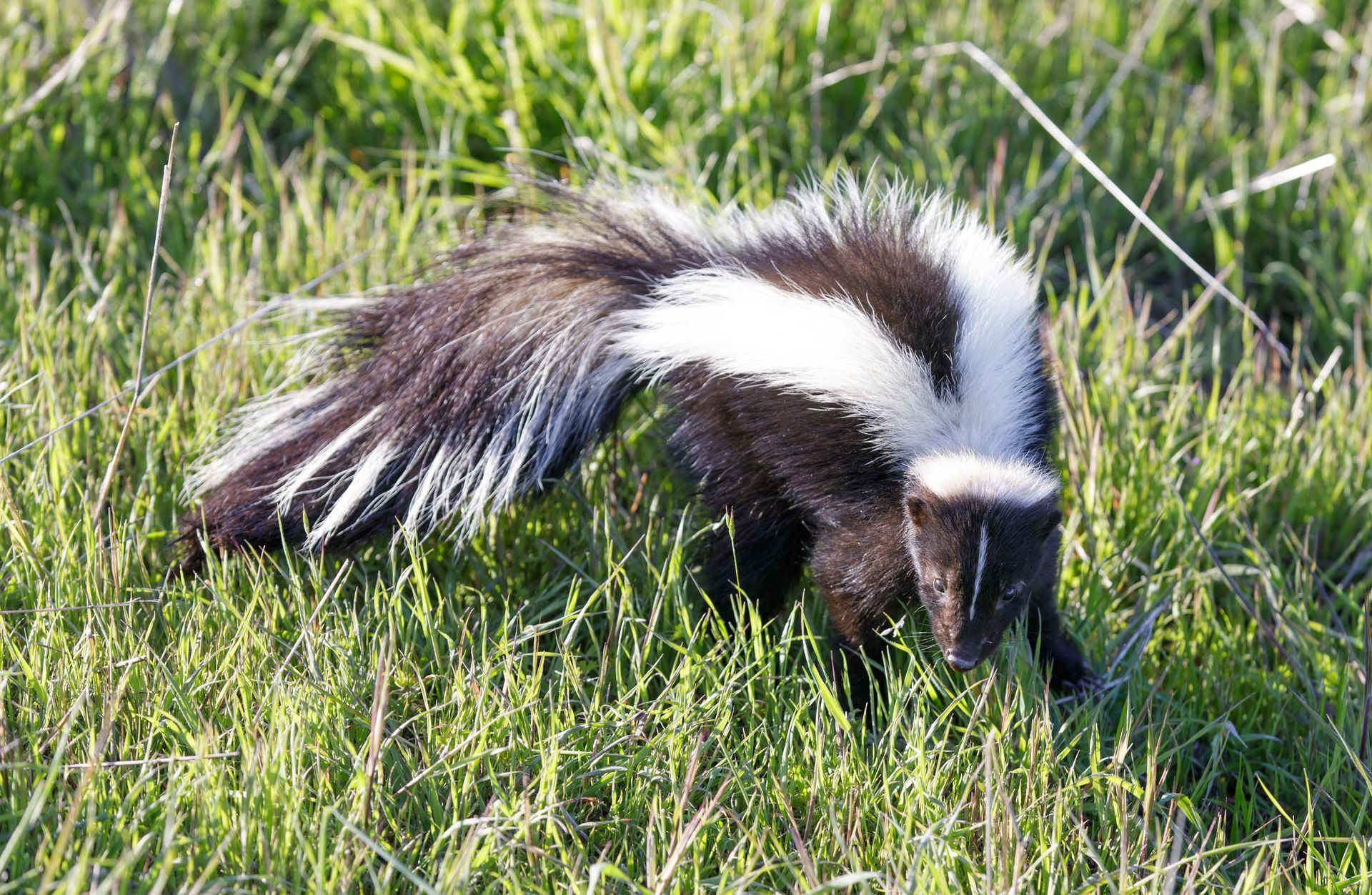
Skunks are primarily nocturnal animals, meaning they are most active during the night. This nocturnal lifestyle is an evolutionary adaptation to avoid predators and take advantage of the cover of darkness. Homeowners might mistakenly believe their property is skunk-free, only to encounter signs of activity in the morning. Identifying and understanding these nocturnal patterns is crucial for implementing effective skunk removal strategies. Ignoring this behavior often results in homeowners missing critical timing for effective intervention.
Skunks’ nighttime activities include foraging for food, exploring new shelter opportunities, and engaging in social interactions. They often travel along established routes, which can be inferred from pathways in gardens or trails leading to den sites. When these routes lead beneath decks or foundations, odors can quickly penetrate living spaces, increasing the likelihood that a skunk remodel will be required to address lingering contamination.
The nocturnal nature of skunks also complicates trapping attempts. Traps set during daylight hours are frequently ineffective, leading to repeated failures and prolonged exposure to odor. Professionals plan interventions around peak activity windows, dramatically improving outcomes while minimizing stress on both homeowners and wildlife.
Feeding Habits and Attractants
Skunks are opportunistic omnivores with diverse feeding habits. They are attracted to unsecured garbage, pet food, fallen fruit, and insect-rich lawns. Homeowners often underestimate how easily these food sources draw skunks onto their property. Without eliminating attractants, skunk removal efforts rarely succeed, and odors may persist long enough to necessitate a skunk remodel to fully restore indoor air quality.
Furthermore, professionals utilize their knowledge of skunk behavior to implement habitat modification strategies effectively. This might include altering landscaping to remove potential den sites and using non-toxic repellents. According to pest control industry reports, humane skunk removal reduces property damage by up to 80% compared to DIY methods, as pros use one-way doors and repellents that achieve 90% non-recurrence rates within 6 months. By controlling food and attractant availability, experts ensure long-term results and reduced recurrence of skunk issues.
Long-term success depends on prevention as much as removal. Habitat modifications, combined with deterrents, significantly reduce the risk of re-infestation and help homeowners avoid costly repairs tied to recurring odor issues.
Skunks’ Defense Mechanism
The skunk’s most notorious defense mechanism is its powerful spray, a sulfur-based compound capable of saturating structures and personal belongings. DIY attempts often trigger this response, worsening the situation rather than resolving it. Once spray infiltrates porous materials, homeowners may face extensive cleanup efforts similar to a partial skunk remodel.
Skunks typically provide warning signs before spraying, such as stomping or tail lifting. Professionals recognize these cues and use calm, controlled techniques to avoid triggering defensive behavior. This expertise reduces the risk of spray release and limits odor spread.
Without this knowledge, DIY removers may unknowingly escalate encounters. The resulting odor can linger for months if not properly addressed, underscoring the importance of professional handling.
Breeding and Territorial Behavior
Breeding seasons significantly influence skunk behavior. During these periods, skunks become more active and territorial, increasing the likelihood of encounters. Improperly timed skunk removal can separate mothers from kits, leading to heightened aggression and odor issues that complicate cleanup efforts.
Skunks also mark territories with scent cues that encourage repeat visits. DIY efforts that ignore these markers often result in reoccupation shortly after removal. Professionals account for territorial behaviors and apply strategies that discourage return, reducing the chance that homeowners will need another skunk remodel down the line.
Understanding breeding cycles allows for humane, effective interventions that protect wildlife while safeguarding the home environment.
Signs of Skunk Presence
Early detection is critical. Common signs include musky odors, small burrow openings under structures, overturned trash, and shallow holes in lawns. Recognizing these indicators early can prevent extensive damage and limit odor penetration.
Burrows beneath decks or sheds often lead directly into enclosed spaces. Sealing these areas without proper exclusion techniques can trap skunks inside, worsening odors and structural damage. Professionals use one-way doors and deterrents to resolve the issue correctly.
Prompt identification and response reduce the likelihood that homeowners will face widespread contamination requiring a full skunk remodel.
Common DIY Skunk Removal Mistakes
Underestimating Skunk Trapping Complexity
Trapping skunks is more complex than many homeowners realize. Incorrect trap placement, poor bait selection, and lack of timing often result in failure. Stressed skunks are more likely to spray, compounding odor problems.
Professionals understand how to position traps along established routes and during optimal hours. Their methods minimize stress and improve capture rates while adhering to humane standards.
DIY trapping also risks violating local wildlife regulations. Professionals navigate these legal requirements seamlessly, protecting homeowners from fines or penalties.
Ineffective Use of Repellents
Repellents are frequently misused in DIY efforts. Applying them inconsistently or in the wrong locations limits effectiveness. Skunks may simply relocate nearby, continuing to cause odor issues.
Professionals integrate repellents with habitat modification for better results. This comprehensive approach prevents recurring problems that often lead to repeated cleanup efforts or another skunk remodel.
Environmentally responsible products are also prioritized, protecting surrounding plants and wildlife.
Health and Safety Risks
Exposure to Skunk Spray and Disease
Skunk spray poses immediate health risks, including eye irritation and respiratory discomfort. Prolonged exposure inside enclosed spaces can significantly affect indoor air quality.
Skunks may also carry diseases transmissible to humans and pets. DIY handling increases the risk of bites, scratches, or indirect exposure through parasites.
Professional skunk removal emphasizes safety, sanitation, and thorough deodorization. This comprehensive process not only resolves the immediate issue but also reduces the likelihood that homeowners will require an extensive skunk remodel in the future.
Why Professional Intervention Matters
Professional skunk removal combines behavioral knowledge, legal compliance, safety protocols, and preventive strategies. Rather than addressing symptoms alone, experts focus on root causes to deliver lasting results.
By investing in professional services early, homeowners protect their property, health, and peace of mind. Effective intervention minimizes damage, controls odors, and prevents recurrence, making professional solutions far more cost-effective than repeated DIY attempts.
Another key advantage of professional services is access to specialized deodorization equipment and materials unavailable to the average homeowner. Industrial-grade oxidizers, enzyme treatments, and sealants are used to neutralize odor at the molecular level rather than masking it. Professionals also assess secondary contamination, such as HVAC ductwork or insulation saturation, which is often overlooked in DIY cleanups. Addressing these hidden problem areas prevents odors from resurfacing weeks or months later. This comprehensive approach helps restore indoor environments fully and reduces the long-term costs associated with repeated treatments or partial remediation efforts.
Ultimately, expert intervention provides a clear path to restoring comfort and preventing future skunk-related disruptions without the ongoing risks associated with DIY methods. Contact our team at Wildlife Removal Services today and learn more about our pest control services.