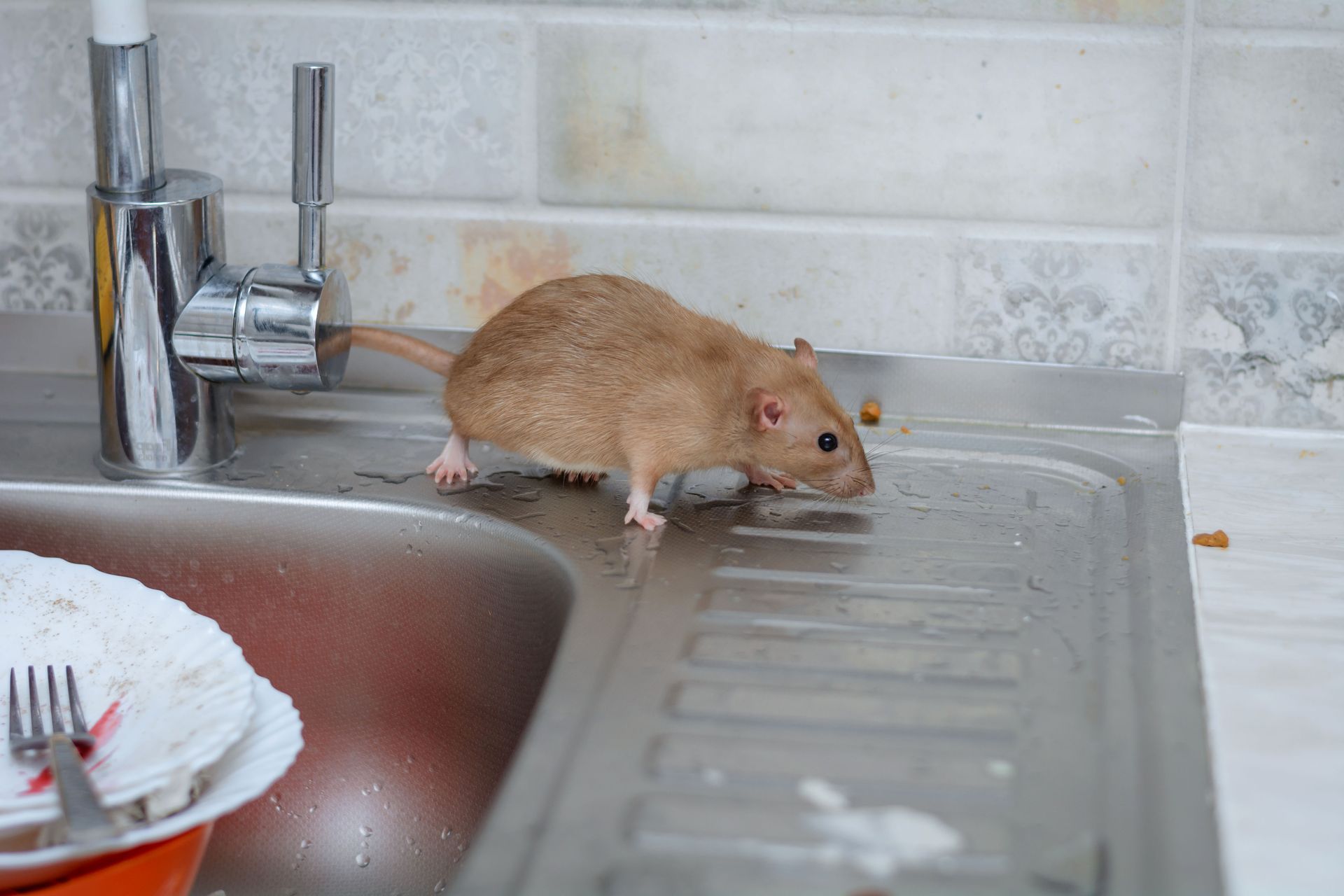
Why Rat Removal Is Vital for a Healthy Home
January 2, 2026
Rats are more than a nuisance—they are carriers of diseases, destroyers of property, and contributors to stress and anxiety. Infestations can escalate quickly, affecting both health and the safety of your home. Understanding the importance of rat removal is crucial, as prompt and strategic action can prevent serious health issues, property damage, and long-term financial costs. According to Consumer Affairs, the U.S. pest control industry has grown by 2.8% over the last five years, reflecting the increasing need for effective pest management. This article explores the health risks of rats, methods to identify infestations, the benefits of timely rat removal, effective control strategies, prevention techniques, and real-world success stories.
Recognize Health Risks from Rat Infestations
Rats pose a significant threat to human health. They carry zoonotic diseases such as Leptospirosis, which can cause severe complications if untreated, and Hantavirus, capable of triggering rapidly progressing respiratory conditions with high fatality rates. Additionally, rats can spread Salmonella through contaminated food and surfaces. These risks illustrate why timely rat removal is essential to prevent serious illnesses in the home.
Beyond disease transmission, rats exacerbate allergies and asthma. Proteins found in their droppings and urine are potent allergens, triggering respiratory problems, particularly in children, the elderly, and other sensitive individuals. Chronic exposure to these allergens can lead to frequent asthma attacks, increasing the need for medical intervention. Maintaining a rat-free environment helps protect vulnerable populations and supports overall respiratory health.
Rats also threaten food and water safety. Their waste contaminates supplies with harmful pathogens that cooking or cleaning may not fully eliminate. In commercial settings, infestations can violate health codes and endanger customers, emphasizing the need for effective rat removal.
Additionally, rats cause structural damage that can indirectly endanger inhabitants. Their gnawing can weaken building materials and compromise electrical wiring, potentially causing fires. Property owners face costly repairs if infestations are left unaddressed. Proactive rat removal safeguards both physical structures and the people living within them.
Finally, infestations can affect mental health. Persistent rat activity creates stress, anxiety, and sleep disturbances for residents. Knowing that your living space is safe and free from pests improves overall well-being and quality of life. Addressing rat infestations promptly can relieve psychological strain while protecting physical health.
Detect Rat Infestations Early
Identifying an infestation early is critical to effective rat removal. Droppings, gnaw marks, and a distinctive musty odor often signal rat activity. Early recognition allows for faster intervention, reducing both health risks and property damage.
Inspecting key areas is equally important. Rats often nest in attics, basements, crawl spaces, and storage areas. Kitchens, pantries, garages, and sheds should also be checked for signs of infestation. Comprehensive inspections ensure no hiding spots are overlooked, enabling targeted removal efforts.
Monitoring techniques can assist in confirming rat presence. Traps and electronic devices provide insight into rat activity patterns. Advanced monitoring tools, such as sensor-equipped traps, alert homeowners to rat movement and help pinpoint areas needing attention. These tools support ongoing vigilance, ensuring infestations are caught early.
Distinguishing rats from other pests enhances control efforts. Rats produce larger droppings, leave distinct gnaw marks, and have a more noticeable odor than mice. Correct identification informs the use of appropriate control strategies, increasing the effectiveness of rat removal efforts.
Implement Timely Rat Removal
Acting quickly to remove rats is vital. Early intervention reduces the spread of diseases carried by rats, limiting exposure to zoonotic pathogens. Rapid removal prevents infestations from expanding, protecting both the household and the surrounding environment. Swift action also minimizes the time rats have to reproduce, keeping population growth under control.
Timely rat removal also prevents property damage. Rats gnaw relentlessly, and unchecked infestations can compromise support beams, wiring, and other critical structures. Addressing the problem early preserves property integrity and avoids costly repairs. Proactive removal also protects essential utilities, reducing the risk of electrical fires and other hazards.
Prompt removal enhances overall well-being. Living in a rat-free environment alleviates stress, anxiety, and fear of health risks. Residents can focus on daily life with greater peace of mind, knowing their home is safe from the harmful effects of rodents.
Rat removal safeguards food security. Rats can contaminate stored food supplies, posing a direct health threat. Early control measures help maintain safe household nutrition and, for businesses, ensure consumer confidence in food safety.
Utilize Effective Rat Removal Strategies
Trapping remains one of the most common methods for controlling rats. Snap traps, electronic traps, and enclosed traps provide efficient solutions, particularly when placed strategically along high-traffic routes. Regularly checking and repositioning traps ensures maximum effectiveness and helps prevent rats from becoming trap-shy.
Natural and eco-friendly approaches are gaining popularity. Ultrasonic devices, plant-based repellents, and other non-toxic methods offer sustainable ways to deter rats. While these methods may require ongoing application, they complement traditional strategies for a comprehensive approach.
Sealing entry points is essential for long-term control. Rats can squeeze through tiny gaps, so repairing holes, cracks, and other access points prevents reentry. Regular inspections and prompt repairs strengthen these exclusion measures, reducing reliance on other removal techniques.
Engaging professional pest control services ensures thorough rat removal. Experts provide tailored solutions, using specialized tools and knowledge to address both current infestations and potential future issues. Their services improve efficacy and safety, making professional intervention an integral part of any rat management plan.
Practice Prevention to Avoid Future Infestations
Sanitation is a key preventive measure. Proper waste disposal, sealed garbage containers, and clean kitchens remove food sources that attract rats. Reducing clutter further limits nesting opportunities, deterring potential infestations.
Home maintenance supports rat prevention. Frequent inspections and repairs, reinforced by rat-proof materials like wire mesh, ensure that entry points remain closed. Consistent upkeep minimizes the likelihood of infestations forming within the home.
Landscaping and outdoor management also play a role. Keeping vegetation trimmed, woodpiles elevated, and debris removed reduces potential nesting sites near the home. Well-maintained yards discourage rats from approaching living areas.
Educating family and neighbors fosters community-wide prevention. Sharing knowledge on early warning signs and effective control measures encourages collective vigilance, strengthening efforts to prevent infestations.
Share Case Studies and Success Stories
Urban rat control demonstrates the impact of combined strategies. Cities employing sanitation campaigns, waste management improvements, and timely removal interventions have seen significant population reductions. These coordinated efforts show how effective planning can address high-density rat problems successfully.
Rural and agricultural settings face different challenges but offer equally valuable lessons. Farmers integrating pest management systems, natural predators like barn owls, and community training initiatives have reduced rat activity, preserving crops and property. These cases highlight adaptive strategies suited to open, agricultural areas.
Community-driven approaches reinforce success. Neighborhood clean-up events, communication networks, and cooperative inspections establish shared responsibility, reducing infestations across wider areas. Collective action demonstrates how cooperation enhances rat removal efforts.
Innovative technologies continue to improve outcomes. Smart traps, drones, and fertility control methods offer real-time monitoring and humane solutions, supporting advanced and efficient rat management strategies.
Understanding the risks posed by rats emphasizes why rat removal is essential for health and safety. From preventing disease spread and food contamination to protecting property and mental well-being, timely and effective removal strategies safeguard both people and their homes. Combining preventive practices, professional services, and community cooperation ensures long-lasting results. Contact us at Wildlife Removal Services today to create healthier, safer living environments.